 Hermance Capital
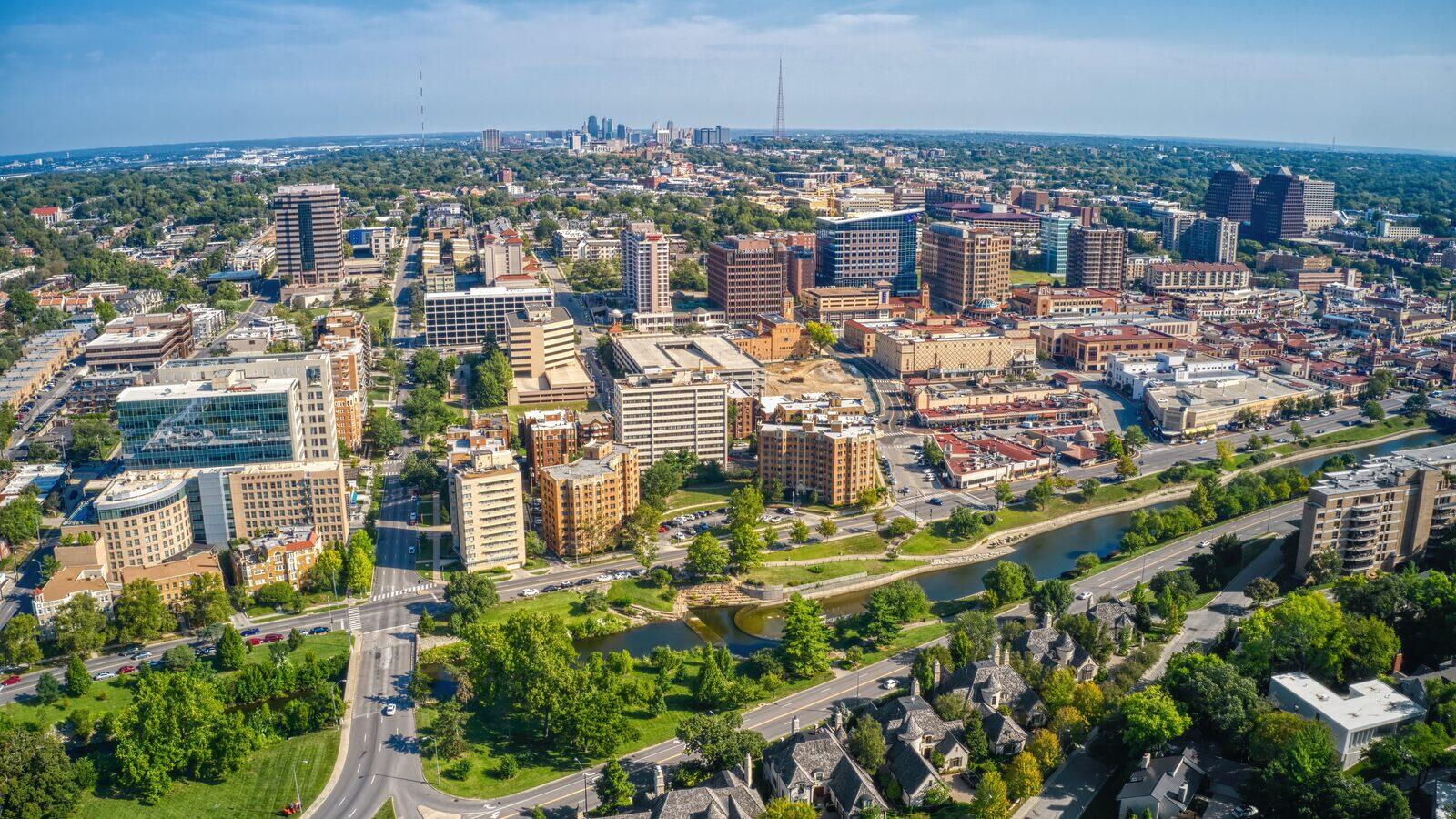
Kansas City, Missouri
A logistics-led Midwest metro with an unusually diversified economy, one of our ten active markets, and a place where steady, unglamorous fundamentals do the work. We're sourcing here now, with one eye on a sizable construction pipeline.
Why Kansas City
Kansas City sits at the intersection of the country's rail and interstate networks (one of the largest rail hubs in the United States), which anchors a deep logistics and distribution economy. But the reason it holds up through a cycle is diversification: alongside logistics, the metro carries a large government and federal-agency footprint, a nationally significant animal-health corridor, major engineering and architecture firms, and established healthcare and financial-services employers, spread across both the Missouri and Kansas sides of the line.
For a value-add buyer, Kansas City offers a deep inventory of 1980s–2000s workforce apartments at a Midwest basis, with rent-to-income in the low-20s, enough affordability headroom for measured rent growth after a reposition, without leaning on aggressive assumptions. It's the kind of steady, liquid market where a first deal can be executed without betting on a single catalyst.
What we're watching
The main thing tempering our pace here is supply.
Construction pipeline. Roughly 8,563 units were under construction as of January 2026, a sizable pipeline relative to the metro's size. New deliveries compete for the same renters, which pressures rent growth and lease-up in the near term, submarket by submarket.
Jobs. Employment is growing, but modestly (+0.2% y/y), steady rather than a tailwind. That's fine for our thesis, but it means the deal has to work on today's rents, not projected ones.
Our response is to underwrite each submarket's specific supply picture rather than the metro average, hold to conservative rent and occupancy assumptions, and stay patient on price where new product is concentrated.
How this fits our box
We're looking for 20–50 unit, B/C, 1985–2010-vintage value-add communities in the $2M–$8M range, priced so a light reposition clears our gates: positive leverage from day one, at least $100 per unit per month in real cash flow, and debt-service coverage we won't stretch to hit. Every sponsor calls their underwriting conservative; we’d rather show you the gates than claim the adjective.
Sources & caveats
Jobs: BLS Current Employment Statistics (metro), May 2026 preliminary, subject to revision. Population: U.S. Census Vintage 2025 CBSA estimates (2024→2025). Rent-to-income: Zillow NRAR (May 2026); back-series was rebased and isn't comparable to pre-2026 values. Supply: broker/research reports, Q2 2025–Q2 2026. This page is general market information, not investment advice or an offer of securities, and describes the metro rather than any specific property. Refreshed quarterly.
Sourcing in Kansas City?
If you broker or own 20–50 units in the metro, or you're an investor curious how we weigh supply against fundamentals, send me a note. No pitch.
Send me a note